









Founder Diagnosis

Why Your Business Feels Off

(And It's Not What You Think)

You can feel it. Things are moving, but not in the way they should.

The truth is, the problem is usually not where you think it is.

The truth rarely shows up in one place.

Your Business Is Giving You Signals.

You just haven't connected them yet.

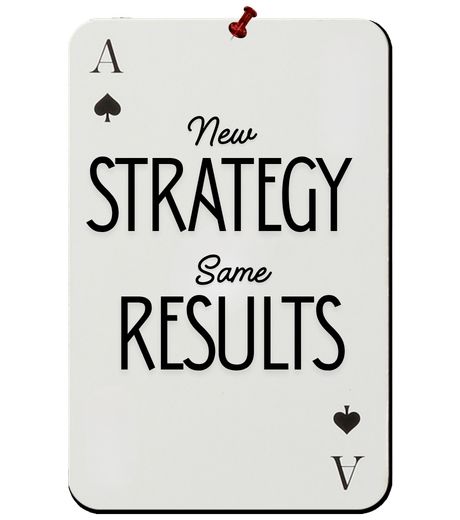
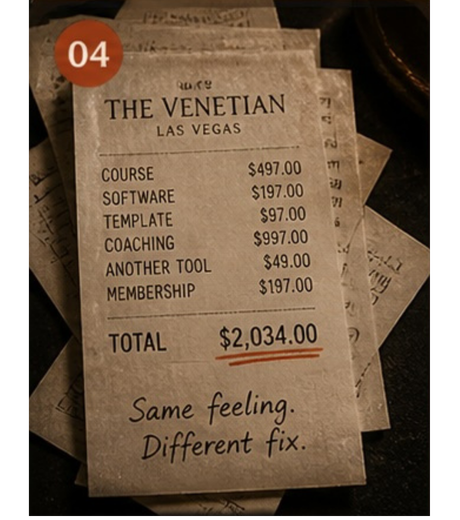
Receipt: New strategy. Same results.
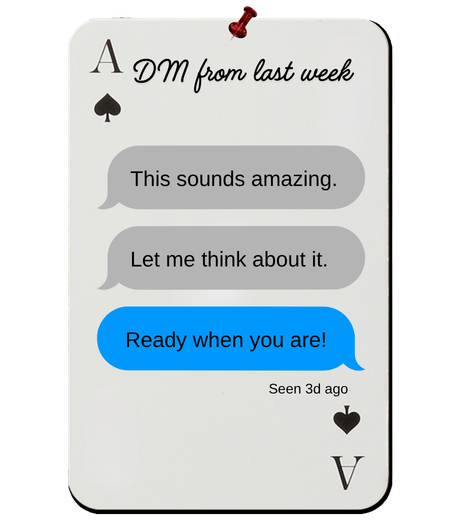
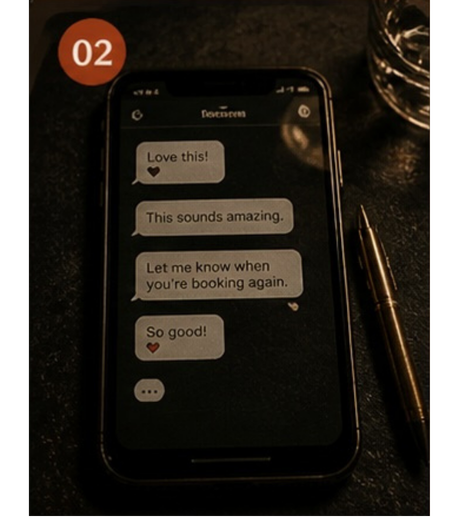
DM: This sounds amazing. Let me think about it.
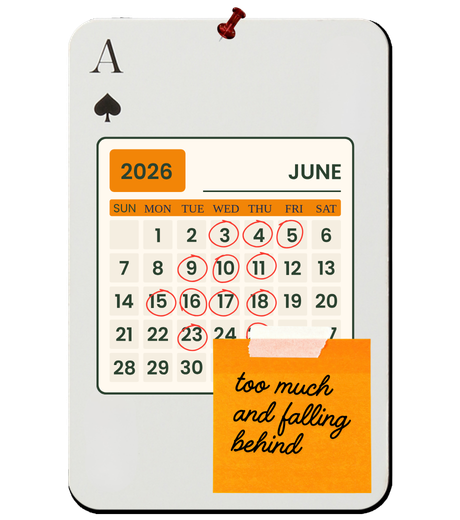
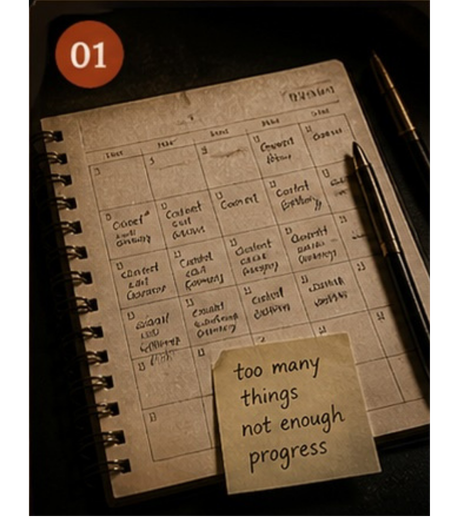
Calendar too full but still falling behind
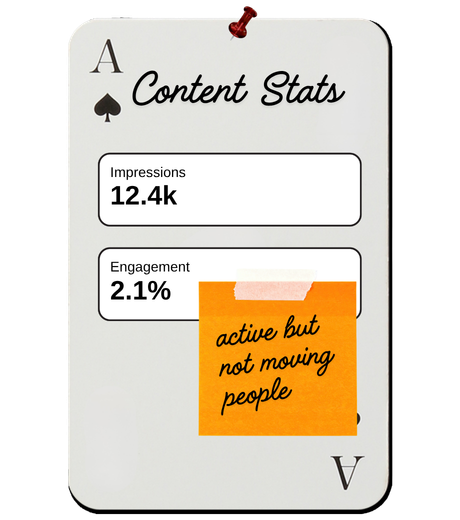
Content stats: high impressions, low engagement
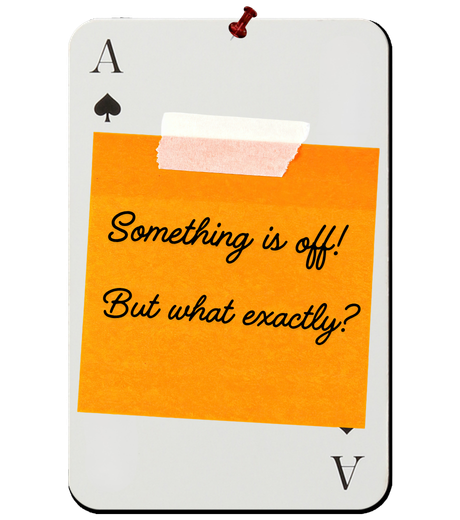
Note: Something is off. But what exactly?

The Misread.

It's easy to misinterpret the signal.

But the wrong
interpretation leads
to the wrong move.

The Signal You Notice
The Interpretation That May Be Wrong
Content isn't converting.
I need better content.
Offer feels hard to explain.
I need to rewrite everything.
Sales conversations feel inconsistent.
I need more leads.
Calendar feels packed.
I need better discipline.
I keep changing the plan.
I need a new strategy.

The Aligned Edit

Listen before you rebuild anything.

Three episodes that name the pattern before you make the next move.

You Didn't Need a Rebrand. You Needed a Mirror.

Orientation Comes Before Execution

The Pattern Is Under the Noise.

What feels random is often connected. When you step back, a pattern appears.

Clarity isn't loud.
It's noticeable.

Investigation board showing how content not moving, offer not landing, sales not consistent, energy not sustainable, systems not supporting, and growth not compounding all connect to a single underlying pattern

Five Ways "Off" Usually Feels

Calendar covered in handwritten notes

The calendar.

Busy, but not clean.

Phone notifications: comments, hearts, but no real movement

The phone.

People engage, but don't move.

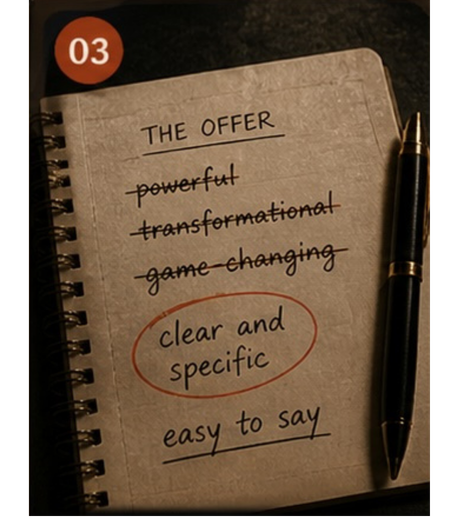
Notebook with crossed-out attempts at writing the offer clearly

The offer note.

You know what you mean, but saying it feels clunky.

Stack of receipts from past purchases that didn't fix the issue

The receipt.

You keep paying for fixes that don't hold.

Matchbook labeled NEW PLAN with matches ready to strike

The matchbook.

You want to burn it down and start over.

Do Not Make the Wrong Next Move.

Do this instead

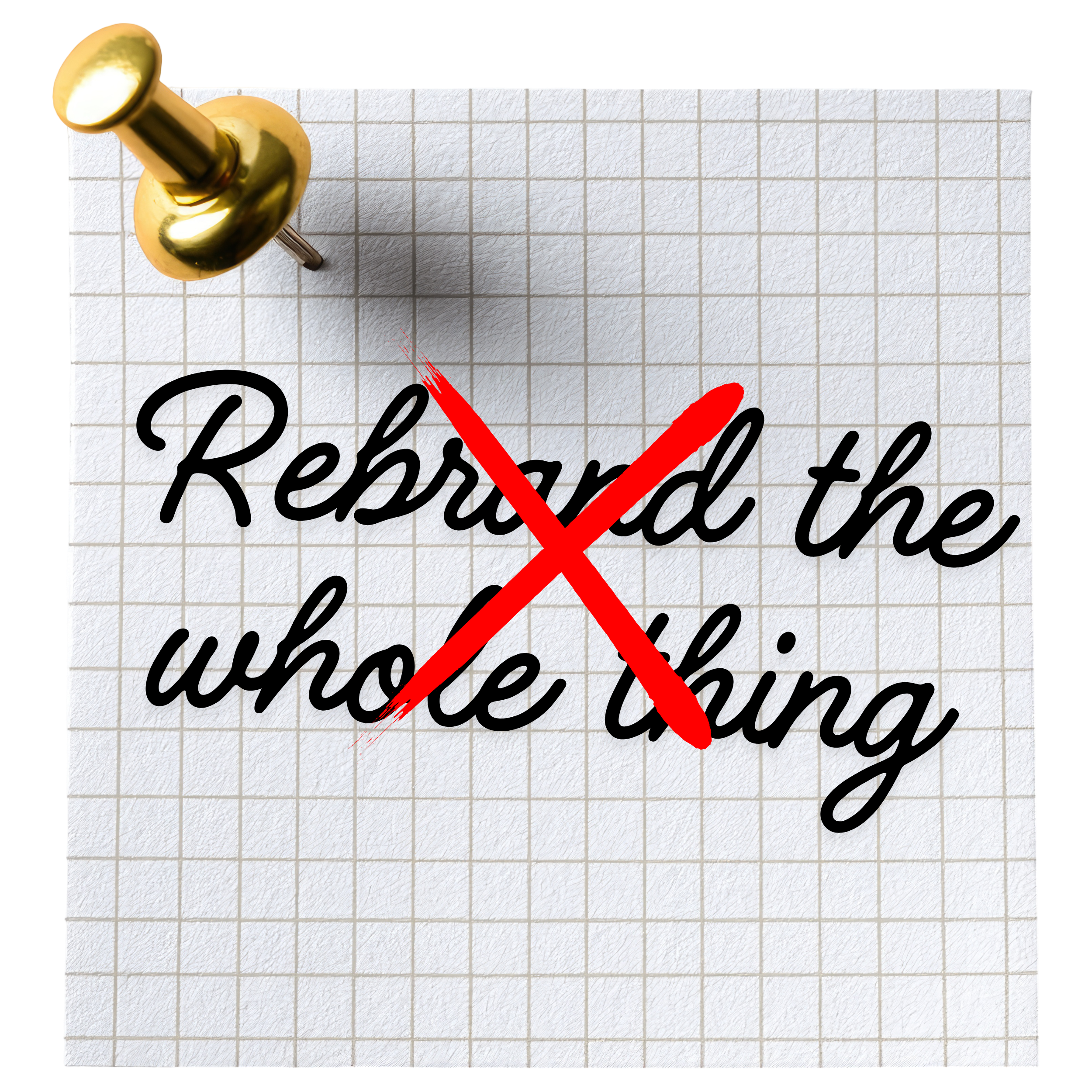
Rebrand the whole thing — crossed out
New funnel — crossed out
New offer — crossed out
Content sprint — crossed out
Discount or promo — crossed out
Hire someone — crossed out
Diagnose first

Find the pattern behind the feeling.

Open the file before you fix the wrong thing again.

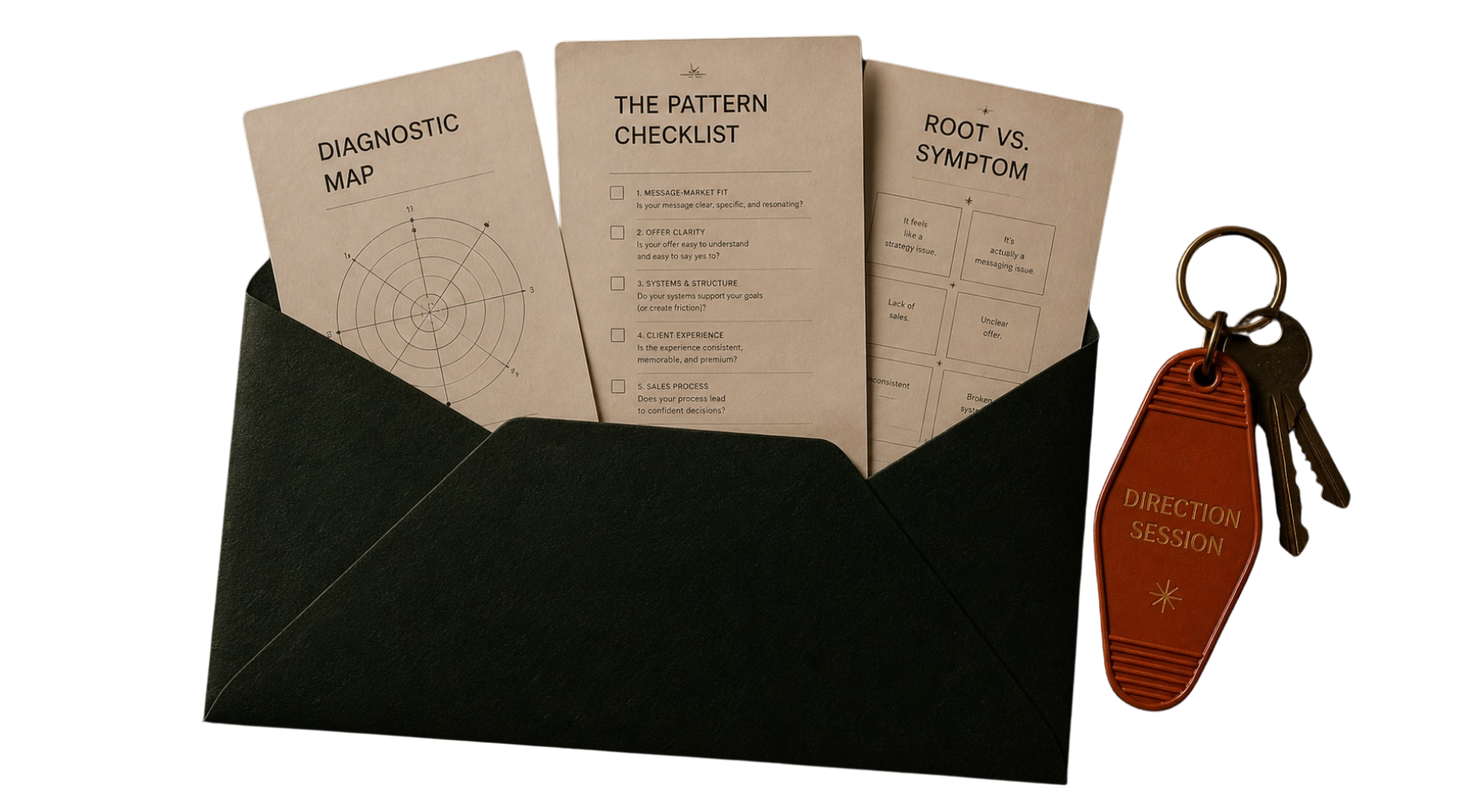
A free bundle to help you identify the real issue behind the frustration, inconsistency, and chaos.

Includes

  • Diagnostic MapSpot what's really causing friction.
  • Pattern ChecklistIdentify the hidden patterns fast.
  • Root vs. SymptomStop fixing symptoms and address the root.
Why This Feels Off envelope with diagnostic worksheets, hotel keys, and Caesars Palace pen

Intuition is data
you haven't seen yet.

Common Questions

What founders ask when something feels off.

The questions that come up before you know what to call this yet.

If you're asking the question, that's usually data. Founders who are genuinely fine don't open a blank document titled "new direction" on a Tuesday afternoon. They don't lie awake rewriting the offer in their head. The discomfort is real even when the metrics are technically okay.

The clearer test: if the same feeling has come back after two or three rounds of fixing things, you're not being hard on yourself. You're noticing a pattern. That's what intuition does before language catches up.

Because "looks good on paper" is measuring the wrong thing.

Revenue, follower count, full calendar, client roster — these are output metrics. They tell you that what you built is working. They do not tell you whether what you built is the right thing to be working on. Founders usually feel the gap between the business that's running and the business they actually want to run long before they can name it. The numbers don't pick that up. You do.

Because the thing you keep changing isn't the thing that's broken.

This is the most common pattern in this work. A founder cycles through fixes — each one valid, each one well-executed, each one bringing temporary relief — and the same feeling shows back up wearing different clothes. That's not a discipline problem or an execution problem. It's a diagnosis problem. You can't fix what hasn't been correctly named, no matter how many times you try.

There's a name for this pattern. It's called a load-bearing issue.

Sometimes. Often it's something burnout is sitting on top of.

Real burnout responds to rest. The kind of off feeling this page describes doesn't. You take the vacation, you set the boundaries, you handle the calendar, and within a week the feeling is back. That's the tell. Burnout is the body asking you to stop. This is the business asking you to look. They feel similar from the inside, but they're not the same and they don't respond to the same intervention.

It's almost never just marketing.

Marketing problems — real ones — show up in narrow, specific places. Lead volume drops. Conversion on one page drops. CTR drops. They're traceable. The kind of "off" feeling that brings someone to a page like this one usually shows up in five places at once: the offer feels heavy, the content isn't landing, the sales calls feel inconsistent, the calendar is full of the wrong things, and you can't tell whether you need to rebuild or rest. When the same feeling is showing up that broadly, marketing is a downstream symptom, not the source.

A therapist works on you. A coach works on your output. This work focuses on the structural decisions your business is built on — the assumptions about who it's for, what it's solving, what role it plays in your life, how it makes money — and whether those are still true.

All three can be useful at different times. But if your therapist and your coach have both been helpful and the feeling is still there, the issue probably isn't psychological or behavioral. It's structural. That's the gap this work fills.

That's usually the moment of relief, not the moment of dread.

Most founders are already half-aware of what's underneath. They've been working around it for months, sometimes years. The discomfort isn't from finding out — it's from having spent that much time pretending not to know. Naming it doesn't force you to act on it overnight. It just means you stop wasting energy avoiding it. From there, the next move tends to be obvious.

Ready to find the real one?

Get the Free Bundle